From Attorney Okojie
Every Client Has a Story Before They Have a Lawsuit
Two families, one apartment complex, two forms of housing discrimination, and why the law sees both.

Looking Beyond the Legal Claims
Lawyers often describe cases by their legal causes of action. We speak of disability discrimination, familial status discrimination, wrongful termination, retaliation, negligence, or breach of contract. Clients almost never describe their situations that way.
They tell stories.
They talk about the frustration of not being heard, the embarrassment of being treated differently, the fear of losing a job, the anxiety of living in unsafe housing, or the uncertainty that follows a serious injury. Before there is a complaint filed in court, before there is a deposition or a trial date, there is almost always someone looking for answers, and someone hoping that the law still has the capacity to provide justice.
One case I handled several years ago has remained with me because it reminded me that a single set of facts can reveal multiple forms of discrimination, each affecting real families in profoundly different ways.
One Apartment Complex. Two Families. Two Forms of Discrimination.
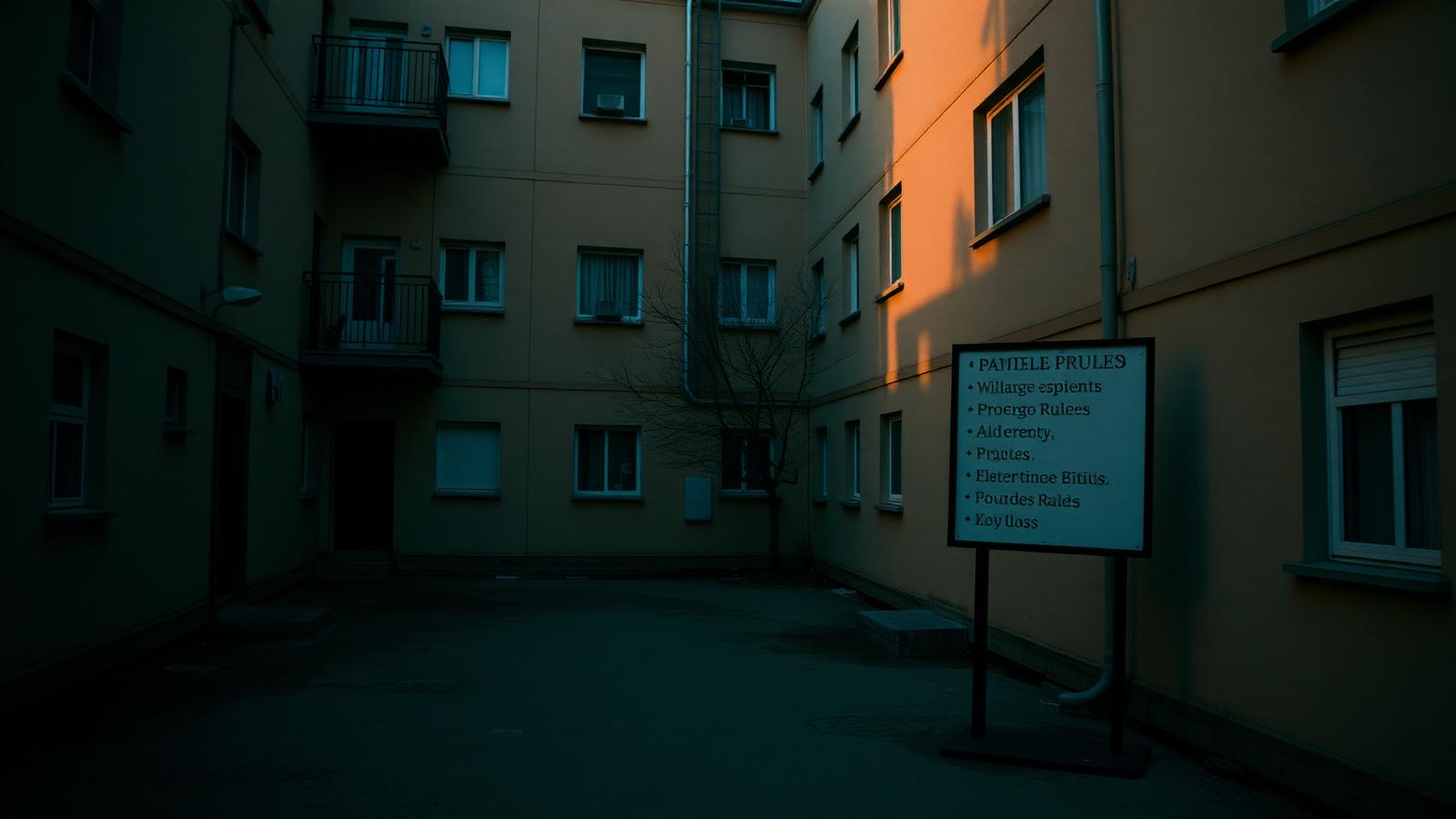
Several years ago, I represented two families residing at a 36-unit apartment complex in Los Angeles County. At first glance, their legal issues appeared unrelated. As we investigated the matter, however, it became apparent that they were confronting two different manifestations of the same problem: unlawful housing discrimination.
The first involved a mobility-impaired tenant who repeatedly requested a parking accommodation closer to his apartment because of serious medical limitations. He provided medical documentation supporting his request, possessed a valid California DMV disabled parking placard, and made repeated efforts to resolve the matter cooperatively. Despite the availability of closer parking spaces, his request was denied.
The second involved something many landlords, and many tenants, do not immediately recognize as unlawful. A family with children was subjected to restrictions and treatment that adults in the complex did not face. What some property owners dismiss as “house rules” can, under certain circumstances, constitute unlawful familial status discrimination under both federal and California fair housing laws.
Although the facts were different, both families shared something in common. They simply wanted to be treated fairly.

Listening Revealed the Bigger Picture
Before I began reviewing statutes or researching case law, I listened.
That may sound obvious, but it is one of the most important responsibilities an attorney has. Clients often arrive believing they are describing a single incident, when in reality they have experienced a continuing pattern of unlawful conduct. A lawyer who listens carefully begins to recognize connections that may not have been obvious during the initial conversation.
In this case, listening revealed that the issues extended beyond a denied parking request or restrictions affecting children. The broader question was whether the housing provider had complied with its legal obligations under the fair housing laws.
That distinction mattered because the law protects more than isolated rights. It protects the dignity of individuals who should not be denied housing opportunities because of a disability, their family composition, race, national origin, religion, sex, or other protected characteristics.
Civil Rights Often Arise in Ordinary Places
Many people associate civil rights litigation with historic court decisions or nationally reported cases. Yet some of the most significant civil rights violations occur quietly, in places we encounter every day, an apartment complex, a workplace, a neighborhood, or a public accommodation.
A denied reasonable accommodation may mean that a disabled tenant struggles every day simply to reach his front door. Restrictions directed at children may deprive families of the full enjoyment of their homes. Individually, these actions may appear insignificant to those imposing them. To the families living with them, they become daily reminders that they are being treated differently.
That is why fair housing laws exist.
The federal Fair Housing Act and California’s fair housing laws recognize that equal access to housing is not merely a matter of convenience. It is a civil right.
Every Case Is Ultimately About People
Over more than three decades of practicing law, I have handled employment cases, personal injury matters, civil rights litigation, and fair housing disputes. The legal issues have varied considerably, but one lesson has remained remarkably consistent.
Every client has a story before they have a lawsuit.
By the time someone seeks legal representation, they have often spent weeks, months, or even years trying to resolve the problem themselves. Many are not looking for conflict. They are looking for fairness. They want to know whether the law recognizes what they have experienced and whether someone is willing to stand beside them in seeking a remedy.
As lawyers, we certainly must understand statutes, procedural rules, and appellate decisions. Those are indispensable tools of our profession. But we should never lose sight of the fact that behind every complaint is a person whose life has been affected in ways that legal pleadings alone cannot fully convey.
That lesson has remained with me throughout my career. It continues to shape the way I approach every new client who walks through my office door.
Disclaimer: This article is provided for general informational purposes only and does not constitute legal advice. Every legal matter is unique, and the outcome of any case depends on its specific facts and applicable law. Reading this article does not create an attorney-client relationship. If you have questions regarding your legal rights, you should consult qualified legal counsel regarding your particular circumstances.
Facing something similar?
Consultations are free and confidential. Bring whatever you have, notices, photos, messages. We will tell you honestly whether you have a claim.